MARKETINGZOO
  • HOME
  • SIGN UP TODAY!
  • BASIC MEMBERSHIP
  • SINGLE PLUS MEMBERSHIP
  • DOUBLE PLUS MEMBERSHIP
  • TRIPLE PLUS MEMBERSHIP
  • OUTPOST SITE SIGNUP
  • CONTACT FORM
  • Take a Peek
  • Vote for the Clean Party
  • videoblog
  • 10 MINUTE YOUTUBE GUIDE
  • CDC TIP EXAMPLE
  • MUSIC
  • FREE CARPET CARE GUIDE

2024 Restoration Articles

Picture
Sentry Page Protection
Please Wait...
BACK TO RESTORATION ARTICLE DIRECTORY
How to Customize an Article
It isn't always necessary to customize an article. Search engines will ignore so-called duplicate content when in different geographic markets. If you wish to customize an article, see how easy it can be accomplished on the Instructions page.
2024 RESTORATION ARTICLES
Scroll Down to the Article You're Seeking

Art-MZ Article – Restoration – January 2024

RESTORATION RELATED ARTICLE

How Condensation Works
 
While most don’t worry too much about it, condensation can damage surfaces in your home. Understanding how it works and then dealing with it will protect your home from unexpected damage.
 
How does it happen? Condensation occurs when moist, warm air cools down and can no longer hold all the water vapor it contains, causing that moisture to condense into water droplets and land on surfaces. Here is a quick guide to how condensation works:
 
Temperature Difference: Condensation typically occurs when there is a temperature difference between indoor air and a surface. Think of how moisture builds up on the inside of a window. Even when you can’t easily see it, this type of condensation can occur.
 
Dew Point: This is the temperature at which air becomes saturated or full of moisture and can no longer hold all the water vapor. When the temperature drops below the dew point, condensation forms on surfaces.
 
Water Droplet Formation: As warm, humid air meets a colder surface, it loses heat to that surface. This causes the air temperature near the surface to drop below its dew point, which means water droplets will form on the surface.
 
Effects on Surfaces in Homes
 
Condensation on windows is a common occurrence during colder months. It can lead to water droplets on the glass, which, if not addressed, can create moisture-related issues. Prolonged condensation on windows can contribute to mold and mildew growth, damage to window sills, and even wood rot in severe cases.
 
Condensation on interior walls and ceilings can result in water stains and discoloration, which can be tough to remove. Over time, it can lead to mold, which many consider a health concern, in addition to the damage mold can do to materials.
 
Attics and crawlspaces can also be affected. In areas with poor ventilation, condensation can accumulate. This can damage insulation, wooden structures, and roof materials, potentially leading to costly repairs.
 
Basements are a big concern as condensation can lead to dampness, water damage, and mold growth. It can also affect stored belongings and cause an unpleasant odor.
 
Preventing condensation and addressing it promptly can help maintain the structural integrity and overall comfort of your home while minimizing the risk of moisture-related issues.
 
If you have any questions or concerns about any moisture issue, especially after a flood in your home, do the right thing and call your favorite restoration company.

After all, it pays to call a pro!


Picture

Art-MZ Article – Restoration – February 2024

How Flash Floods Work
 
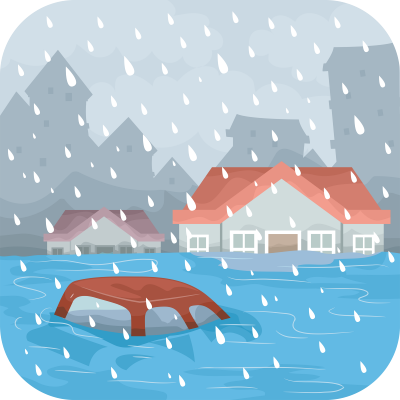
This is the time of the year when we need to think about the possibilities of heavy snowfall, rain, and especially spring flooding, such as flash floods, which could be right around the corner.
 
Flooding is a natural disaster that can devastate homes, causing extensive damage and chaos for your family. Understanding how to first prevent and, if the unthinkable does occur … recover from flooding is essential for homeowners. Let’s look at what flooding is and where and when it can occur so you can analyze your own situation and prepare—if needed.
 
Flooding occurs when an overflow of water inundates land that is typically dry. Various factors, including heavy rainfall, coastal waves, rapid snowmelt, or the failure of dams and levees, can trigger it. Floods can wreak havoc with as little as a few inches of water or submerge entire houses, lasting for days, weeks, or even longer. Floods are the most widespread of all weather-related natural disasters.
 
Flash floods are hazardous as they combine the destructive force of floods with incredible speed. These occur when heavy rainfall exceeds the ground's ability to absorb it. Flash floods can also result from water filling ordinarily dry creeks or streams or when streams overflow their banks, causing rapid water rises within a short timeframe. These events can unfold within minutes, leaving little time for public warning and protection. The only good news here is this doesn’t occur everywhere, but you should know if you are in a zone that could be affected. Do your research.
 
Areas at Risk
 
The first would be densely populated areas. Urban development, including buildings, highways, and parking lots, increases runoff by reducing ground absorption and elevating the risk of flash floods.
 
The failure of storm drains is also a concern. In cities and towns, underground routing of streams into storm drains can overflow during heavy rain, flooding nearby roads and buildings.
 
Even low spots can be a concern, such as underpasses, underground parking garages, basements, and low-water crossings.
 
Areas near rivers, mountainous regions, and when dams release water for safety reasons, are all concerns as well. If your home is in the pathway of possible water, prepare your home with smart landscaping and other means to keep water from entering.
 
What You Can Do
 
While the risk of flooding is always there, you can prepare. Having a professional restoration company on your side will help bring your damaged home back to pre-flood condition. Contact your favorite restoration company and get their help if something does happen.

After all, it pays to call a pro!


Picture

Art-MZ article – Restoration- March 2024
 
How Mold Works
 
Mold is everywhere. It’s easy to spot if out in the open; you can smell the mustiness. While it can hide, such as behind walls, it doesn’t stay just on the surface … mold spores travel, and some have severe reactions to any exposure.
 
Ubiquitous in the natural environment, mold serves a vital role outdoors by breaking down dead organic matter, such as fallen leaves and trees. However, mold growth poses a significant concern where you don’t want mold (indoors). Because of how mold grows, with tiny, invisible spores that drift through outdoor and indoor air, mold finds fertile ground for growth when landing on wet surfaces.
 
The United States Environmental Protection Agency says this about mold: “Molds reproduce by means of tiny spores; the spores are invisible to the naked eye and float through outdoor and indoor air. Mold may begin growing indoors when mold spores land on surfaces that are wet. There are many types of mold, and none of them will grow without water or moisture.”
 
Identifying types of molds is a challenge, as they come in all shapes, sizes, colors, and more. Professional mold remediators are experts at identification.
 
Mold is not considered a plant. It is considered a fungus, but like a plant, it needs a food source and certain conditions to grow. If you have a dark, warm area and add some moisture to it, along with a food source such as wood products or even dirt, you have the recipe for mold.
 
The challenge with mold, whether avoiding it or removing it, lies in moisture management. The presence of mold in your home necessitates prompt cleanup and removal of any water-related issues. Many experts say drying water-damaged areas and items within 24-48 hours of the damage occurring is important to prevent mold growth.
 
Health concerns warrant attention. Consulting a health professional before commencing cleanup is advisable, especially if pre-existing health conditions are a concern.
 
While molds are a natural part of the environment, their presence indoors demands proactive measures. Through effective moisture control and timely cleanup, in conjunction with consulting professionals, homeowners can minimize the risks associated with mold growth, ensuring a safer and healthier living environment for everyone in the home.
 
If you ever do have any water intrusion issues and especially with mold concerns, do the right thing. Call your favorite disaster restoration company. After all, it pays to call a pro!
​

RESTORATION RELATED ARTICLE

How Evaporation Works
 
The U.S. EPA says, “Evaporation is the process that changes liquid water to gaseous water (water vapor). Water moves from the Earth’s surface to the atmosphere via evaporation.”
 
Is there more to it? For your home, yes. While there is science to evaporation, and entire industries are dedicated to studying and implementing the science, when things get wet, such as from a failed sump pump, a broken pipe, or water intrusion issues, understanding evaporation and using that knowledge is essential.
 
If you get light water damage, such as something covering a few feet, you will probably attempt to dry it yourself. Whatever you do, make sure you get it completely dry. This is where the science comes in. Evaporation is increased with both air flow and dehumidification. You may have a small dehumidifier, but there is no doubt you have a few fans. By moving air across the wet surface and relying on a dehumidifier to remove the water from the air, you increase evaporation. However, removing water from a surface and not dehumidifying the air means it will take everything longer to dry.
 
When water damage occurs, it’s critical to work on removing the moisture and restoring property right away. This is tough to do without the right equipment, not even considering the time involved. Let the pros do it.
 
If your home has a basement, you probably have moisture. You need to manage that. Opening windows isn’t usually a good option. Installing effective dehumidifiers is one of the best ways to keep a basement dry all the time. You can increase their effectiveness with airflow to move the air around.
 
If your basement walls are constantly wet, it would be smart to have an inspection by an expert who specializes in dry basements. Shop around and look at the reviews. This could get expensive but could also be necessary.
 
Professional contractors use professional tools for almost all water damage or other moisture issues. They have specialized equipment, such as air movers and dehumidifiers, and they have methods to monitor the drying process. These professionals create optimal conditions for evaporation, including controlled temperature, airflow, and humidity levels during the job.
 
So call your favorite restoration company. You don’t want more damage to occur, and you don’t want mold to grow. After all, it pays to call a pro!
Picture

RESTORATION RELATED ARTICLE

How Disaster Restoration Pros Work
 
The devastation to homes and businesses following a disaster—such as a flood, fire, or severe weather event—can be overwhelming. Disaster restoration companies step in, providing the needed services to help individuals and communities recover and rebuild. These specialized firms are equipped to handle the complexities of a disaster’s aftermath, ensuring the quick restoration of affected properties.
 
But have you ever wondered how they operate besides what you see?
 
Rapid response and assessment
 
The first step in the operation of disaster restoration companies is a rapid response. Time is critical when dealing with disaster aftermath, as the extent of damage can quickly go from bad to worse. Restoration companies typically offer 24/7 emergency services, ensuring they can be onsite immediately after being contacted. Upon arrival, the experts conduct an initial assessment to evaluate the damage and formulate a plan of action.
 
Water and fire damage restoration
 
While most disaster restoration companies handle virtually any issue, such as mold remediation, they focus primarily on floods and water-related disasters. They extract water as quickly as possible using specialized equipment. Following water removal, the area is dried using dehumidifiers and air movers to prevent mold and mildew growth, which can pose serious health risks.
 
In the case of fire damage, restoration companies secure the structure, remove debris, and address soot and smoke residue. This process is delicate and complex, as different materials absorb smoke differently and might require specific cleaning agents and techniques to prevent further damage.
 
Reconstruction and final restoration
 
Once the property is cleaned and stabilized, the next phase is reconstruction. This step is important for restoring buildings' structural integrity and restoring them to their pre-loss condition.
 
Additionally, many companies provide content restoration services, restoring furniture, electronics, and personal items affected by the water or fire event. This service can help salvage valuable or sentimental items, reducing the overall impact of the disaster.
 
Continuous communication and support
 
Throughout the entire process, effective communication remains a priority. Restoration companies keep property owners informed, from initial assessments to final walkthroughs. This transparency helps alleviate the stress for those affected and ensures they know the progress.
 
Disaster restoration companies are crucial in helping individuals and communities recover from catastrophic events. When you need their help, they are there for you. After all, it pays to call a pro!
 
Picture

Art-MZ article – Restoration – June 2024
 
Beware of Mold!
 
Mold is an eyesore, a destroyer of building materials, and a potential health hazard. There are several good reasons to beware of mold!
 
Mold gets started by water intrusion or some moisture issue. Mold is a living substance and needs moisture, air, and a food source to flourish. Left unchecked, mold contamination can go from bad to worse and require significant reconstruction.
 
Identifying and recognizing mold
 
Molds may be manifested in various forms, but molds generally are evidenced by an unpleasantly distinctive smell and discoloration. The most common signs of mold include:
 
  • Visual indications: Check especially for speckled black or green patches on the walls, ceilings, and floor if the area is damp, such as basements, bathrooms, and kitchens.
  • Health symptoms: Long-lasting health symptoms, such as sneezing, coughing, sore throats, nasal congestion, and eye irritation, all point to exposure to mold, especially if health significantly improves upon leaving the house.
  • Excessive moisture: Conditions of excess moisture, such as condensation on windows and paint peeling or bubbling, might, in some cases, be precursors to conditions ripe for mold.
 
Human health risks
 
Mold exposure can result in several health complications, especially for people with respiratory illnesses, allergies, or immuno-suppressed systems. Most health complications that may arise from molds may include health issues among individuals like allergic responses, attacks to asthmatic conditions, and other respiratory complaints. Long-term exposure may worsen the symptoms and result in several critical health conditions.
 
Mold prevention
 
Mold should be prevented to maintain a healthy home effectively. Here are some strategies to effectively prevent mold:
 
  • Humidity control: Use dehumidifiers and air conditioners to keep room humidity between 30 and 50%.
  • Ensure proper ventilation: Install exhaust fans in bathrooms, kitchens, and laundry rooms.
  • Fix leaks quickly: Leaky pipes, leakages from the roof, and windows all contribute to mold growth.
  • Dry wet areas quickly: Mold growth typically begins 24 to 48 hours after a moisture event. Dry out all wet areas promptly following spills, leaks, or floods.
 
If you do find mold, clean any visible mold in small areas with water and detergent. However, it is always advisable to hire a professional mold remediation company for larger contaminated areas or if the ventilation system might be infected. Tools and training allow professionals to remove the mold without any risk to you. After all, it pays to call a pro!

Picture

Art-MZ article – Restoration – July 2024
 
Beware of Moldy Ductwork!
 
As a homeowner, your first responsibility is to ensure your living environment is safe and comfortable. Yet, and don’t feel bad if this is you, most homeowners think very little about mold that may be lurking in air ducts.

While individuals know what mold looks like on walls and ceilings and can do something about it, what they can’t see is what can hurt them—what is inside the air ducts, affecting their health and home atmosphere.

Mold in air ducts can be a sneaky invader, typically found in the smell of musty air before it's seen. Even when mold isn't easily traced, its presence can still be felt through other health symptoms, like coughing, sneezing, nasal congestion, itchy eyes, skin irritation, difficulty breathing, headaches, and other symptoms common in allergies.

Continued exposure may enhance the symptoms more and may also lead to several profound health implications in people with pre-existing respiratory diseases and allergies to molds.

Mold thrives best in a warm, moist environment, quickly supplied by air ducts in your home. This is usually much worse if your house has poor ventilation or some reoccurring severe dampness. Acting fast to identify and rectify mold in ducts is paramount in stopping it from becoming an entire infestation throughout the rest of your house and creating even more health problems.
Once you have determined that mold is present in your air ducts, it's time to act. Cleaning your air ducts without proper training and equipment is just not practical. Hiring a professional restoration company for mold removal will ensure that it is done safely and effectively. Professionals use specialized tools and products to eliminate mold and prevent its return. Find a mold removal company that adheres to industry guidelines, such as those specified by the National Air Duct Cleaning Association (NADCA).

When your company of choice is performing the necessary duct cleaning and mold removal steps, ask questions. This is a good time to think about preventive steps. You don’t want a repeat of more mold in your ductwork. Listen to the professionals and invest in a preventative maintenance program to catch problems early. This may be reducing humidity and more monitoring of your air ducts moving forward.

The pros are here to help you with these important cleaning tasks, especially those that are impossible for you to do yourself. Call your favorite cleaning and restoration company. After all, it pays to call a pro!

Picture

Art-MZ-August 2024 – Restoration

Be Aware of Lingering Dampness!

Water damage is a nightmare many homeowners fear. The damage can be overwhelming, whether from a broken pipe, a brutal storm, or an overflowing appliance. Once visible water has been vacuumed or mopped up, it is easy to sigh relief that things seem over. However, is it really over?

Even after you clean up and everything seems dry, moisture can hide behind walls, in or under flooring, and other areas. Hidden humidity promotes the growth of mold and mildew, structural damage, pest infestation, electrical hazard issues, and more.

Identifying remaining dampness
• Musty odors: A musty smell that doesn't go away is often a clear sign of mold growth and lingering dampness.
• Discoloration and staining: Check for discoloration on walls, ceilings, and flooring; yellow, brown, and black discoloration commonly indicates water damage.
• Warped floors: Moisture buildup can cause wood flooring to warp, buckle, or show soft spots.

Five steps to rid of lingering dampness
1. Professional assessment: Professionals must be allowed to evaluate the level of damage caused by water. These companies have specialized tools that detect moisture hidden otherwise.
2. Proper drying: It involves much more than just airing of a room. The pros have the right tools to do this type of work.
3. Mold remediation: If mold is found, it should be professionally remediated. The remediation process involves safely removing the mold and treating the affected area to avoid future growth.
4. Repairing and restoration: Any structural damage must be repaired immediately. This may include replacing drywall, insulation, flooring, and other materials where moisture damage has occurred.
5. Preventive measures: One of the most critical areas to address would be the source of the water damage. Make sure that plumbing issues are repaired, the gutters are free, and your house is protected from future leaks.

Water damage is stressful, but not dealing with the lingering dampness afterward is even worse. Leaking water can cause troublesome health problems, damage the property's structural frame, and be expensive to repair. Be on the lookout for all signs of accumulated moisture and then take proper action swiftly to ensure their home stays dry and safe after their case of water damage is averted.

Don't let that lingering dampness become a bigger problem—protect your home and family. When you have any type of water damage issue, do the right thing and contact your favorite disaster restoration company. After all, it pays to call a pro!

Picture
SEPT. 2024 RESTORATION RELATED ARTICLE

Beware of Leaky Pipes!
Leaky pipes, often dismissed as minor inconveniences, can rapidly develop into significant problems, causing extensive water damage, structural issues, and mold growth. While most tips on water damage restoration focus on large losses, such as a burst pipe or storm damage, don’t ignore those small drips you may notice from time to time.

What starts as a small drip can lead to expensive repairs if not promptly addressed. Water seeping into materials like wood, drywall, and flooring can weaken them over time, resulting in warping, rotting, and even structural collapse. Also, leaking pipes create the perfect environment for mold, which damages your home and poses serious health risks, especially for individuals with respiratory issues.

The financial impact of ignoring a leaky pipe can be substantial. A minor repair, if addressed early, can prevent the need for significant renovations later. Persistent leaks damage your home's structure and can lead to higher utility bills due to wasted water and potentially increased insurance premiums if the issue is left unresolved for too long.

Regular inspection of your plumbing system is critical to avoiding these problems. Homeowners should be vigilant for signs of leaks, such as water stains, dampness, or a musty odor. Early detection can prevent minor issues from becoming large, costly disasters. Installing water leak detectors in vulnerable areas can also provide an early warning before significant damage occurs.

When a leak is detected, it’s essential to act quickly. While it might be tempting to attempt a do-it-yourself repair, hiring a professional plumber ensures that the root cause is identified and adequately addressed. Professional intervention not only fixes the immediate problem but also helps prevent future issues, providing a long-term solution. No one wants to fix a leaky pipe, and then when on a long vacation, something terrible happens. Don’t become a victim.

Really, leaky pipes are more than just a minor nuisance—they are a potential source of significant damage to your home. By taking preventive measures and addressing leaks as soon as they are detected, homeowners can protect their property from extensive damage and avoid costly repairs. Proactive maintenance and timely repairs are the best defense against the high costs of water damage and structural deterioration caused by leaky pipes.

When you do have an issue involving any type of water damage, call your favorite restoration company. After all, it pays to call a pro!
Picture


MZ article – Restoration – October 2024

Beware of Cold Weather!
 
As colder weather approaches, homeowners must prepare their homes for winter. Lack of necessary maintenance can result in costly repairs, inadequate heating, and unpleasant seasonal surprises. However, if you take the time to get your home winterized, many such complaints can be avoided.
 
Seal leaked windows and doors
 
Understandably, drafts are among the top reasons for high winter heating bills—cold air seeps in through the gaps around windows and doors, making your heating system fight hard. You must check all your windows and doors for cracks or gaps in the seal. Apply caulking or weatherstripping to seal these areas and keep warm air where it belongs.
 
Heating system check
 
Before winter, it is essential to ensure your heating system is working as it should be. This means scheduling a professional inspection and cleaning of your furnace. Regular maintenance will prevent unexpected breakdowns, so your system will run efficiently and save you money in the long run. If you use a fireplace or wood stove, now is also a great time to have those inspected and cleaned to avoid fire hazards.
 
Insulate pipes
 
Frozen pipes can be a homeowner's nightmare, generally creating thousands of dollars in water damage when they burst. Avoid all that by insulating your pipes in areas most susceptible to freezing, such as basements, attics, and crawl spaces. Use foam pipe insulation or old towels wrapped around exposed pipes.
 
Clean gutters and downspouts
 
When gutters build up, it can cause major issues when winter hits. Water in congested gutters may freeze, damaging your roof and allowing water into your home. Clean your gutters and downspouts before the first freeze to make sure they are free of leaves and other debris. This lets water flow freely from your home, which can prevent ice dams and other winter issues.
 
Stock up
 
Finally, prepare for winter storms by stocking up on essential supplies. These would include salt or sand for icy walkways, a snow shovel, and blankets in case of power outages. It's also good to service your snow removal equipment, such as snow blowers, and have them ready before the first snowfall.
 
Of course, if something happens to your home and you need to be rescued, do the right thing and call your favorite restoration company. After all, it pays to call a pro!

Picture
Art-MZ article – Restoration – November 2024
 
Beware of Ice Dams!
 
As winter approaches, homeowners must prepare their homes for the challenges that cold weather can bring. One significant danger to be aware of is the formation of ice dams. If not appropriately addressed, ice dams can cause costly damage to roofs, gutters, and interiors.
 
What are they?
 
Ice dams occur when snow on the roof melts due to uneven heat distribution and then refreezes along the edges. This creates an ice barrier that prevents further melted snow from draining off the roof. Water backs up behind the ice dam, seeping under shingles and into the home, leading to leaks, mold growth, and structural damage.
 
Why are they dangerous?
 
Ice dams can cause various problems, from damaging the roof and gutters to leaking into the home's insulation and walls. This moisture can create conditions for mold, impacting the home's structure and posing health risks to occupants. In severe cases, it can even damage the home's ceilings, walls, and flooring.
 
Here are some steps to prevent ice dams. A little prevention goes a long way in keeping your house protected.
 
Ensure proper insulation
 
The root cause of ice dams is uneven roof temperatures, often due to poor insulation. Ensure your attic is well insulated and ventilated to maintain a consistent temperature across the roof. This helps prevent heat from escaping through the roof, reducing the chances of snow melting and refreezing.
 
Clean your gutters
 
Before winter hits, clear your gutters of leaves, debris, and blockages. A clean gutter system allows melted snow to flow freely, reducing the likelihood of ice buildup along the roof's edges.
 
Use a roof rake
 
After heavy snowfalls, use a roof rake to remove snow from the roof, especially near the eaves. This reduces the chance of snow melting and refreezing into ice dams.
 
Consider heat cables
 
Installing heat cables along the roof's edges can help prevent ice from forming by maintaining a consistent temperature. This is particularly useful in areas prone to severe winter conditions.
 
Act quickly
 
If you suspect an ice dam is forming, act quickly by using safe methods to remove the ice or contacting a professional. Proactive measures and proper maintenance can help homeowners avoid costly repairs and keep their homes safe during winter.
 
If the worst happens…
 
Call your favorite restoration company immediately if structural or moisture issues impact your home. After all, it pays to call a pro!
 
Picture


Art-MZ article – Restoration – December 2024
 
Beware of Pervasive Smoke Odors!
 
Smoke odors, such as wood-burning fireplaces, cooking mishaps, and nearby wildfires, can seep into homes. Once inside, these odors cling to fabrics, furniture, carpet, and even walls, creating persistent smells that may last for months if left untreated.
 
Understanding how smoke odors permeate a space and learning practical ways to combat them can save homeowners time and frustration.
 
Why so persistent?
 
Smoke particles are tiny, allowing them to infiltrate porous surfaces throughout your home. Once they settle, they can be challenging to eliminate, especially in materials like curtains, rugs, and upholstered furniture. Over time, these particles can become embedded in drywall, insulation, and even air ducts, lingering the smell.
 
In addition to being a nuisance, lingering smoke odors can pose health risks. Breathing in these particles, especially from materials burned in wildfires or cigarettes, can irritate the lungs and worsen respiratory conditions. Smoke odors can also trigger symptoms for those with asthma or allergies, making it essential to address them as quickly as possible.
 
One of the best ways to prevent smoke odors from entering your home is to seal gaps and cracks, use air purifiers, and maintain your ventilation system. These are three great strategies everyone should embrace.
 
Quick fixes for existing odors
 
If smoke odors have already permeated your home, several do-it-yourself methods and products can help reduce their impact:
 
Activated charcoal: Activated charcoal placed in bowls around affected areas can absorb odors over time. It’s especially effective in smaller rooms and enclosed spaces. Steam cleaning: For carpet and fabrics that have absorbed smoke, steam cleaning can help release and remove the particles embedded in fibers. A professional steam cleaning is recommended. Renting equipment may help, but it won’t flush contaminants like a professional cleaning can accomplish. Essential oils: Using essential oils, like eucalyptus or tea tree, in diffusers or cleaning solutions can mask smoke odors and provide a fresh scent, though it may take several applications. And this is not a permanent solution.  
For more severe smoke odor issues, such as those caused by house fires or prolonged exposure to wildfire smoke, it’s best to consult a professional cleaning service. Professionals can use specialized equipment, such as ozone generators and thermal foggers, to neutralize smoke odors deeply embedded in the home.
After all, it pays to call a pro!

Picture
CONTACT US


Questions, Ideas, Comments or Suggestions? Tell us!


Picture
Jeff Cross: Media Director for ISSA and creator of Totally Booked University. Nationally recognized cleaning and restoration trainer. Scuba diver extraordinaire.
(740) 973-4236

Picture
Gary Arndts: Award winning copywriter. Cleaning and restoration SEO expert, DIY website trainer, and author.
(765) 969-2335


TERMS OF SERVICE: Subscribers of MarketingZoo.com agree not to distribute contents of this site to other firms for their commercial use. Suppliers, (such as website designers) may use contents of this website for your Internet marketing, but that does not extend to other clients they may have. Violation of this Intellectual Property will result in cancellation of service and legal remedies.

  • HOME
  • SIGN UP TODAY!
  • BASIC MEMBERSHIP
  • SINGLE PLUS MEMBERSHIP
  • DOUBLE PLUS MEMBERSHIP
  • TRIPLE PLUS MEMBERSHIP
  • OUTPOST SITE SIGNUP
  • CONTACT FORM
  • Take a Peek
  • Vote for the Clean Party
  • videoblog
  • 10 MINUTE YOUTUBE GUIDE
  • CDC TIP EXAMPLE
  • MUSIC
  • FREE CARPET CARE GUIDE